
Home Safety Tips to Consider After a Flood
When the water recedes from a flood, it can leave a house in complete chaos. And managing the disarray takes a clear plan of action. Getting through those first steps is difficult, full of emotion, and often overwhelming, but you’ll protect yourself and your property by approaching the aftermath with caution and definitive priorities.
Reclaiming your home from the destruction of a flood is no easy task, and there are likely many safety hazards that need to be addressed. That means you need to be well-prepared to stay as safe as possible. Before you start the earliest stages of recovery after a flood, safety tips from our restoration experts will help you make those decisions with confidence – and keep you and your family safe in the process.
What Home Safety Dangers Should I Watch for After a Flood?
Floodwaters can leave behind a whole landscape of hidden threats that demand your full attention as you begin the cleanup process. This means that the moment you reenter your home after a flood, your biggest priority is to be aware of any hazards that may still be present. You need to move slowly, assess each room with hypervigilance, and treat your home as unsafe until proven otherwise. This awareness will help you implement effective safety measures after the flood and protect everyone in your household from harm.
Be wary of:
Standing Water
Standing water can hide sharp shards of glass, jagged pieces of metal, unstable flooring, and even downed power lines that create a high risk of electrocution upon contact. It may also contain human and animal waste, as well as pests that carry disease. And while you’re reeling in the destruction, your kids may see puddles of water and want to play. But it’s very important to prevent your children from playing near these areas because they pose a legitimate risk for drowning, even in shallow water.
Contaminated Water
Floodwater can mix in bacteria, sewage, and nasty chemicals that break your skin out in rashes, cause tetanus and other infections, or make you very sick if swallowed. Any contact with a wound increases the risk of contracting a serious infection. Tap water may also be unsafe after severe flooding, so use bottled water for drinking, cooking, and hygiene until your local authorities confirm that the supply is safe again.
Mold Growth
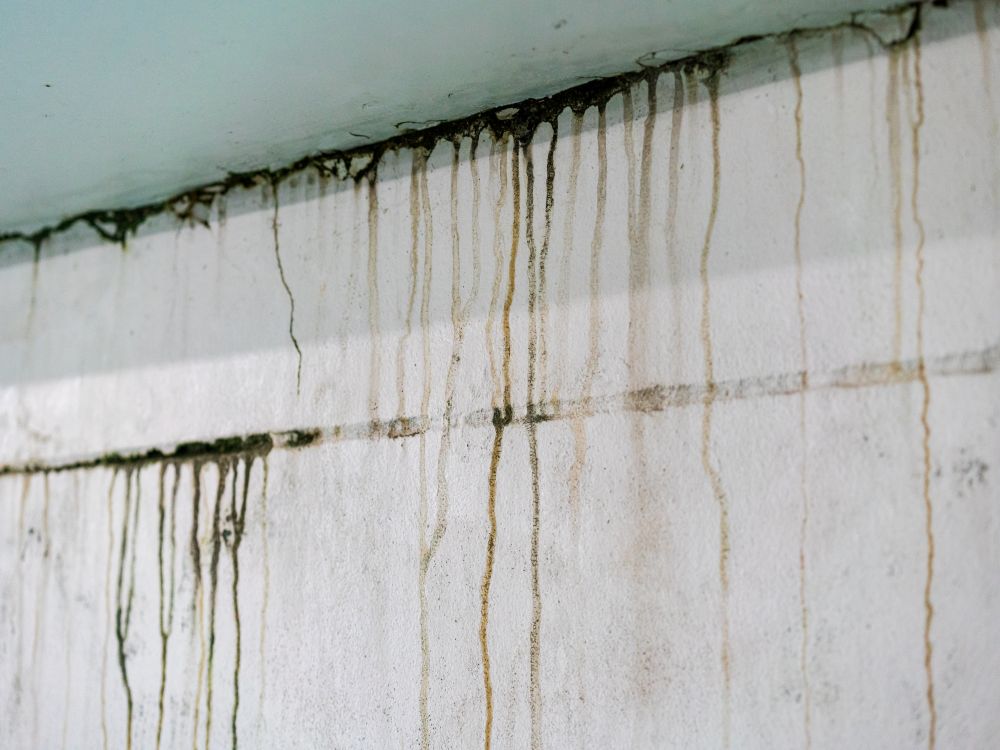
Moisture trapped in walls, furniture, insulation, and flooring encourages mold to grow within a short period of time. Mold can quickly degrade indoor air quality and trigger breathing issues in children and adults with asthma or allergies. If you see visible patches or smell a musty odor, treat the area as contaminated and consider contacting a professional before attempting to remove anything.
Carbon Monoxide Exposure
Many families use generators after a flood, but these machines release carbon monoxide that can fill an enclosed space fairly quickly. If you have a generator, place it outside at least 20 feet away from windows and doors, so the fumes can’t drift indoors. Install a working carbon monoxide detector if you don’t already have one, especially if you need to rely on backup power during recovery.
When Is It Safe to Return Home After a Flood?
Flood damage can leave your home in a fragile state, so you need to make sure the structure is sound before stepping inside. You should survey your home’s exterior and look for any leaning walls and sagging ceilings. These warning signs mean you should hire a professional to help you.
One of the most critical safety tips after a flash flood is to avoid the threat of standing water mixed with live power. This means you need to shut off your electricity before you reenter your home – but do this safely. If you see standing water near the electrical panel, you can contact your electric company or a technician for assistance.
Protect yourself from contaminated water by wearing rubber boots and thick gloves during the cleanup. Open every window and use high-powered fans to circulate fresh air. This helps clear out foul smells and prevents bacteria or mold from spreading through your living space.
How Do I Protect My Family’s Health After a Flood?
Flood recovery exposes your household to hazards that can affect anyone’s health, so you need a plan that keeps your family safe while you work. Children should stay with trusted relatives or friends, because flood damage, debris, and odors can upset them, and the cleanup process is unsafe for young kids. Pregnant women and anyone with respiratory issues should also avoid the area entirely.
Remove and discard soaked stuffed animals, rugs, mattresses, books, and similar items that trap bacteria. And wait to bring your children home until electricity, plumbing, and basic utilities are back up and functioning normally. Keep these flood safety tips in mind as you move forward with the cleanup process and begin restoring your living space.
How Do I Handle Contaminated Water, Food, and Drinking Supplies?
Flood events can raise some major concerns about food safety, so approach all your food and water sources with caution. Anything that has been touched by floodwater should be thrown away unless it comes in a hermetically sealed container that you can disinfect with a bleach solution. Items with twist‑off or crimped lids cannot be saved, and baby formula should always be discarded, no matter the packaging.
You can protect what’s still safe by keeping your refrigerator and freezer doors closed during a power outage or moving food to a location with reliable electricity. But throw away any perishable items left at room temperature for more than two hours. Just remember the golden rule for refrigerated goods: “When in doubt, throw it out.” If your local tap water supply is compromised, make sure you only use bottled water, and check for announcements from health officials so you know when it’s safe again.
Why Should I Consider Professional Cleanup Help?
Flood recovery takes time, energy, and specialized tools, and a trained restoration team can spare you from hazards that linger long after the water drains. The restoration process comes with massive challenges, but here at Kelmann Restoration, we have the expertise and compassion to help you rebuild your property. We have proudly helped homeowners across Southeastern Wisconsin recover their homes since 1973, and our crews move quickly to treat contamination, remove damaged materials, and protect your home from long‑term issues.
Whether you need professional assistance, advice, or more safety tips for floods, speak with our restoration specialists today. Contact us to schedule your full consultation and get your home on the path to recovery.