
Basement Flooding: Top Causes and Prevention Tips
Owning a home with a basement provides plenty of extra space for your family. But that below-ground space also comes with more responsibilities. And like you, many homeowners fear the thought of their basements becoming suddenly flooded.
Your basement sits in a place most exposed to heavy rain and any shifting groundwater. It faces more risk simply because the structure rests below grade, where moisture and drainage issues can build without warning. Once excess moisture has time to settle, it poses plenty of threats to the very foundation of your home.
The potential of your basement flooding causes you to consider what can be done in the event of a torrential downpour. Luckily, our in-depth article will break down all the risks and show you how to protect your basement before the next storm puts it to the test.
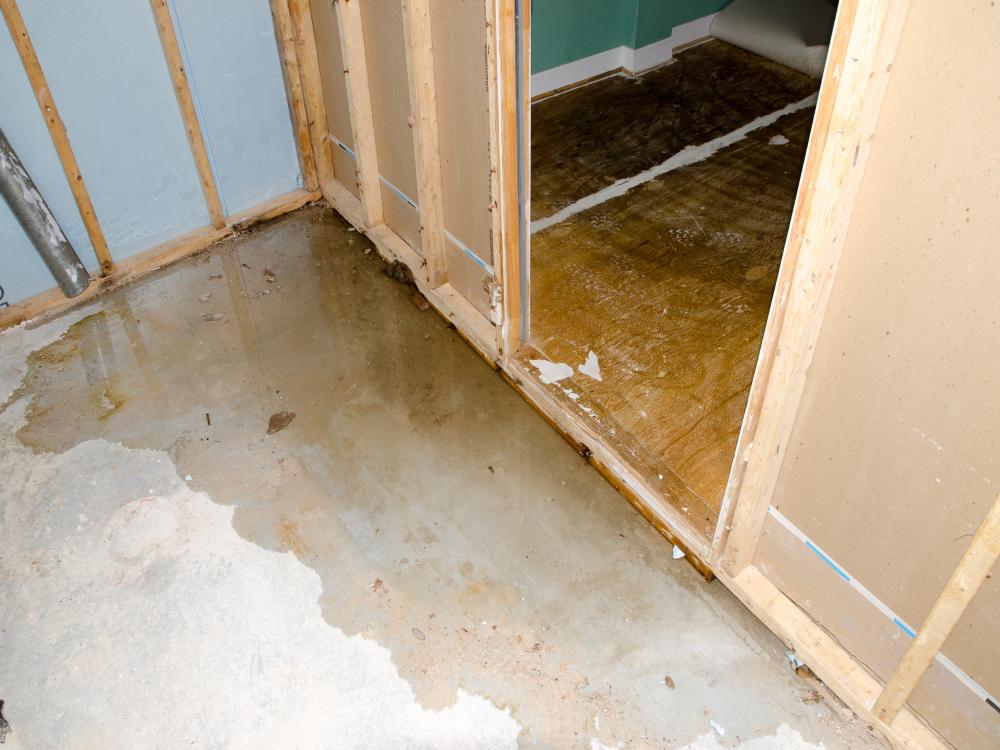
What Are the Top Causes of Basement Flooding?
Knowing why your lower level can take on water allows you to prepare your home against future damage. Let’s look at some of the most common causes for basement flooding that can catch homeowners off guard:
Intense Rainfall or Flash Floods
Heavy storms can push your property to its limits, especially if you live in a low-lying area with a high water table. An intense storm can push large amounts of water into the soil around your foundation. So, if your basement walls have weak seals, small cracks, or aging window wells, that extra pressure can force water through. And if your sump pump fails during a downpour, the water in the cavity below your floor can rise rapidly and turn your basement into a literal swimming pool.
Compromised Drainage Systems
Your home relies on gutters and downpipes to move liquid away from the foundation. If your downspouts dump water right next to basement windows or if your yard lacks porous surfaces like soil and grass, the runoff has nowhere to go but down. Dense neighborhoods can struggle with this because pavement from driveways, patios, and streets reduces soil absorption and increases runoff.
Burst Main Water Pipes
A rupture in the main line creates a massive emergency because these pipes carry water under high pressure directly into your home. Since these lines usually run underground, a break can send a large volume of liquid straight into the basement. This situation requires an immediate response to shut off the supply and minimize structural harm. The speed of a main pipe failure can fill a room in minutes, making it one of the most destructive scenarios a homeowner can face.
Internal Plumbing Malfunctions
Many homes use the basement as a laundry room. And a washing machine uses nearly 50 liters of water in a single cycle, which can create a huge mess if a hose snaps. Other appliances, such as water heaters, utility sinks, and basement bathrooms, depend on supply lines and drain connections that remain in good condition. So, if you keep your laundry room or a guest bathroom downstairs, a simple leak from a loose hose, worn rubber washers, or cracked plastic fittings can quickly turn into a flood.
Severely Blocked Sewage Lines
Pipe blockages and obstructions can occur when people flush items like paper towels or pour cooking grease down their kitchen sink. These materials create thick clogs that force wastewater to back up through your floor drains and into your living space. This type of flooding is particularly dangerous because the backflow contains raw sewage and other harmful contaminants that pose serious health hazards to your family.
How Can I Prevent Basement Flooding Before It Happens?
To stop water damage from occurring, you need a smart plan rather than waiting for the next big storm to hit. Here’s how to prevent basement flooding before it happens:
- Clear Your Gutters and Downspouts – Direct rain away from your foundation through regular cleaning. Debris causes overflows that saturate the ground near your walls, so keep these paths open to manage runoff effectively.
- Prevent Pipes From Becoming Frozen – Burst pipes can pave the way for an instant indoor lake when temperatures drop below freezing. You’ll want to take every precaution to insulate your plumbing and stop cold weather from rupturing your lines.
- Maintain Your Sump Pump – Set your pump on a solid surface away from loose silt or gravel to keep the motor running. Test the system every 12 months, as these mechanical devices can fail without warning during heavy rain.
What Are Long-Term Basement Flood Prevention Strategies?
If you’re wondering how to prevent flooding in your basement in the long term, there are certainly ways to do so. And you can start by strengthening the systems that guard it all year long.
We highly recommend installing water sensors that alert you the moment moisture enters the space. We also suggest applying a waterproof membrane to your basement walls, which provides an extra barrier to prevent moisture from penetrating your space. And you may want to consider upgrading your sump pump to a high-capacity model built for heavier volumes of water. It’s investments like these that will shield your basement for years.
Kelman Restoration – Your Basement Flood Prevention Partner
A submerged basement can strike dread in any homeowner, but you have the power to stop water in its tracks before it can seep in. And our experts are always here to help. Our award-winning team here at Kelmann Restoration has protected Wisconsin homes from water damage since 1973. We act fast to rebuild properties and help families return to normal as quickly as possible. Our family-owned business is ready to deploy 24 hours a day and assist you whenever you may need it. And you can expect nothing less than the industry’s gold standard from local experts who genuinely care about your property.
Secure your basement – and your peace of mind. Contact us today for a full consultation.