
How Quickly Can Mold Grow After Water Damage?
The leak may be under control, the standing water may be gone, and the floors may even feel dry to the touch. That’s usually the moment homeowners can start to exhale. But the problem is that mold doesn’t need a visible mess to get moving. When moisture soaks into porous materials and stays there, mold can start to develop very quickly. And the timeframe in which mold growth happens is exactly why a fast, organized response matters after any water intrusion.
If you’re trying to avoid a bigger cleanup later, let’s break down how quickly mold can grow, what speeds it up, and how professional mold cleaning services will help keep your home – and your family – safe.
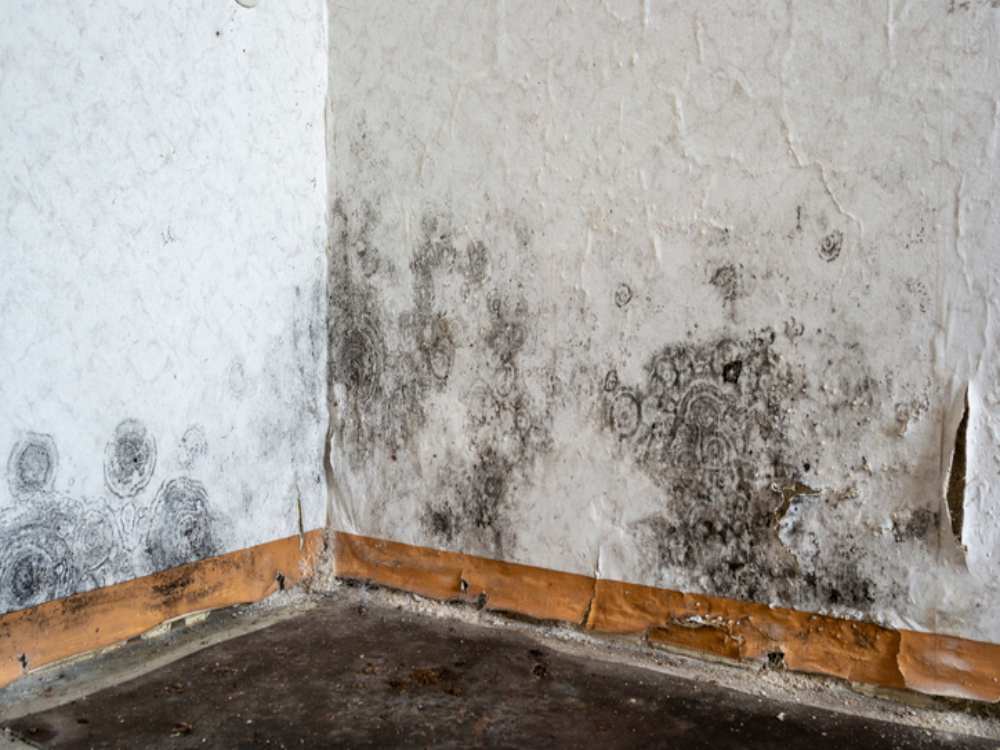
How Quickly Does Mold Grow?
Mold doesn’t wait long once moisture has been introduced. But exactly how fast does mold grow?
Under the right conditions, mold growth can start so much sooner than many people may expect. In many cases, it’s a very short window of time. When the various materials in your home absorb water, old spores can start to sprout within 24 to 48 hours. In fact, there may be mold spores already present in your home that can begin to activate. Even if you don’t see anything yet, that early growth may already be developing your drywall and your flooring. This is why timing in response to a leak or flood event matters so much. The longer water lingers, the greater the chance that mold will require a larger, more involved solution.
Conditions That Accelerate Mold Growth
Mold only needs a few conditions to grow, and those conditions are often present long after water from a natural flood or plumbing leak has subsided. Once your home has been exposed to water intrusion, a whole variety of materials within your living space can remain damp, giving mold an environment it needs to develop. Lots of humidity will also speed up the mold growth process, particularly when levels rise above 60% indoors.
Mold appreciates the ideal temperature, too. And, unfortunately, most homes naturally fall within the range where mold can flourish. While temperatures between 70°F and 90°F are the optimal range for mold growth, spores can still find their footing in a general comfort zone of 60°F to 80°F.
When moisture and warm conditions combine with poor ventilation and organic materials like wood and drywall, mold has what it needs to establish itself much faster than expected.
Common Places Mold Develops
If extensive water damage exists in your home, it’s rare that mold would grow in just one visible area. It tends to develop where moisture settles and gets trapped – and it’s often out of sight.
Drywall and insulation are very common locations for mold to grow because they absorb water quickly and hold it for longer periods. And your flooring systems may be another concern. Moisture can linger beneath carpet padding, wood, and laminate surfaces, allowing mold to spread underneath.
The ventilation system might also be affected. Moisture inside HVAC pathways can carry airborne spores throughout the home, which is a very serious health hazard that needs to be resolved.
So, how do you get rid of mold? Well, these hidden areas make that task much more difficult, especially when those surfaces appear dry. By the time signs become noticeable, growth may already be more widespread than expected, and you’ll need to enlist the services of a remediation specialist who knows how to detect mold in your home.
Health Risks Associated With Mold
It may go without saying, but mold doesn’t just affect your property. It can also have a direct impact on your indoor air quality and put your overall health at risk.
When mold spores circulate through the air, they can irritate your respiratory system and trigger symptoms like coughing, congestion, and throat irritation. For some, especially those with asthma or allergies, these reactions can become even more severe.
Mold exposure can also irritate your eyes, cause skin reactions, and lead to other discomforts tied to airborne contaminants. Any prolonged exposure can increase the likelihood of ongoing respiratory problems. Because mold is so hazardous to your health, calling a mold damage restoration professional is absolutely critical.
How to Stop Mold From Growing After Water Damage
To stop mold, you must first eliminate any excess moisture before it has time to spread. From pinpointing the source to removing any standing water, this first step needs to be done as quickly as possible.
Then everything needs to be dried thoroughly. But, because water can remain behind your walls, under your flooring, and inside various structural materials, dehumidification and tools that provide ample airflow will help remove that hidden moisture and reduce the risk of mold growth. Every area needs to be monitored and verified to make sure they’re fully dry before any repairs are made.
This is one of the most effective ways to stop mold from growing before it becomes a larger issue. And professional mold cleaning services provide those tools and processes needed to resolve the problem completely.
Schedule a Mold Inspection From Kelmann Restoration
When moisture lingers in your home, mold can begin forming before you even realize there’s a problem. Taking action early is what will keep a small issue from turning into a more complex restoration project.
Here at Kelmann Restoration, we have mastered our comprehensive approach to moisture control and mold cleaning services. Our team will accurately identify where water has traveled, remove unseen moisture, and restore your living space with precision so nothing is left behind.
If your home has experienced water damage, now is the time to act. Contact us today to schedule a professional inspection and stop mold before it has the chance to spread.