
The Process of Cleaning and Restoring Household Contents
Understanding the Contents Restoration Process
Disasters such as fires, severe floods, and extensive mold outbreaks can cause devastating structural damage to a home. However, the destruction rarely stops at the drywall and floorboards. Your furniture, electronics, clothing, and priceless family heirlooms are equally vulnerable to smoke residue, contaminated water, and aggressive mold spores. Throwing everything away and starting from scratch is an overwhelming prospect, but it is rarely your only option. Professional content restoration services can successfully salvage a surprising amount of your personal property. Highly trained technicians use specialized equipment and proven methodologies to rescue items you might have thought were lost forever. Understanding the complete contents restoration process helps homeowners know exactly what to expect when navigating the chaotic aftermath of a disaster. Here is a step-by-step look at how professionals handle household contents cleaning.
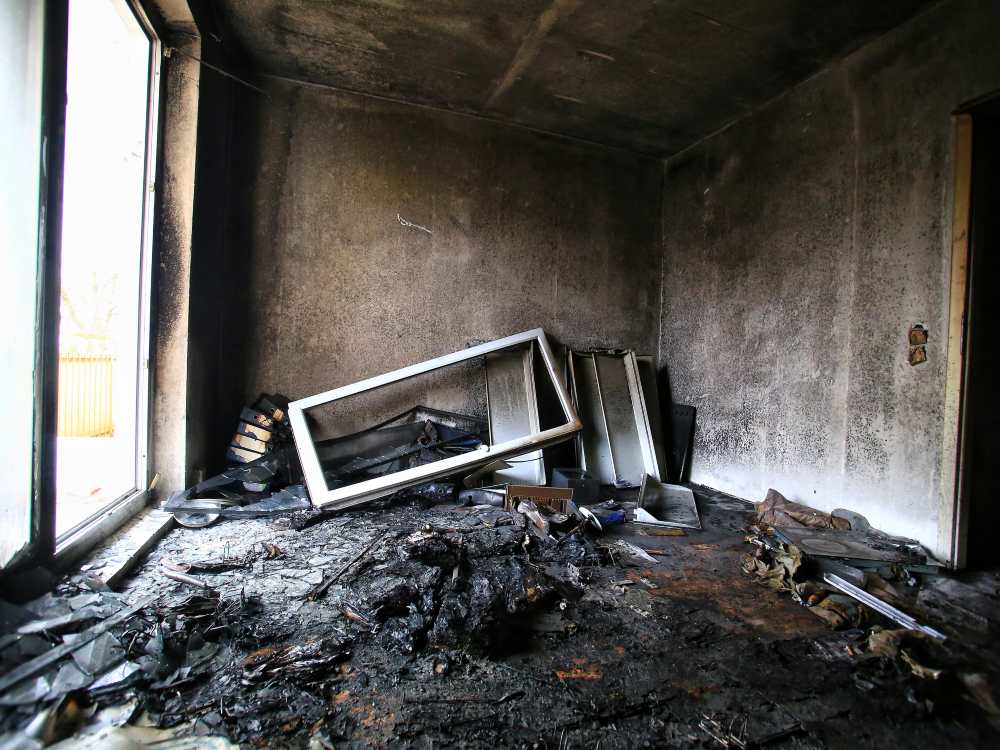
What Happens During the Initial Assessment and Inventory of Damaged Contents?
The first phase of any personal property restoration project is a meticulous evaluation. Restoration experts cannot begin cleaning until they know exactly what they are dealing with. Technicians walk through the affected areas of the home to inspect the damage to individual items. During this assessment, the restoration team creates a comprehensive inventory. They carefully document the condition of each item, usually using photographs and digital tracking software. Belongings are typically sorted into specific categories: salvageable items that can be cleaned, items that require specialized third-party repair (like complex electronics or fine art), and unsalvageable items that are destroyed. This detailed inventory is crucial for insurance claims, ensuring homeowners have accurate records of their property.
How Does the Packing and Secure Content Removal Process Work?
Once the inventory is complete and approved, the restoration team begins the “pack-out” phase. Leaving items inside a damaged home exposes them to ongoing threats, such as lingering moisture, soot circulation, or structural collapse. Technicians carefully wrap and pack the salvageable belongings using professional-grade moving materials. Everything from fragile glassware to large sectional sofas is prepped for safe transport. The boxed items are loaded onto secure trucks and moved to a specialized restoration facility. Removing these items not only protects them from further harm but also clears the house so the structural repair crews can work efficiently.
What Specialized Cleaning and Restoration Methods Are Used?
The actual contents cleaning after damage occurs at the dedicated facility. Because households contain a wide variety of materials, technicians must employ a range of restoration techniques.
- Ultrasonic Cleaning: This method uses high-frequency sound waves in a water bath to remove soot, grime, and rust from hard, non-porous items like jewelry, blinds, and kitchen ceramics.
- Odor Counteraction: Smoke and mold odors embed themselves deep into fabrics and wood. Restoration teams use ozone generators and hydroxyl machines to break down odor molecules at the chemical level, rather than simply masking the smell.
- Specialized Laundry and Dry Cleaning: Upholstery, clothing, and drapery require dedicated textile cleaning to remove contaminants without shrinking or degrading the fabric.
- Document and Electronics Restoration: Technicians use freeze-drying techniques to save waterlogged books and vital documents. Electronics are carefully disassembled, cleaned of corrosive soot, and completely dried before testing.
How Are Items Stored and Protected During the Structural Repairs?
Cleaning the items is only part of the contents restoration process. While your belongings are being revitalized, your actual home is likely undergoing extensive construction and remediation. After the household contents cleaning is complete, the restoration company moves your items into a secure, climate-controlled storage vault. This environment regulates temperature and humidity, preventing secondary damage like warping or new mold growth. Your property remains safely locked away in this facility until your home is officially declared safe, clean, and fully rebuilt.
What Is the Process For Returning and Reinstalling Household Contents?
The final step in the contents restoration process is the “pack-back,” a systematic return of your belongings designed to restore order to your home. Once structural repairs are finished, the restoration team coordinates the transition through the following steps:
- Scheduling and Transport: A delivery date is set, and technicians transport your cleaned, deodorized items back to your property.
- Inventory Verification: Using the detailed inventory created at the start of the project, the team ensures every salvaged item is accounted for.
- Unpacking and Placement: Technicians assist with unpacking and returning items to their original rooms, ensuring a seamless transition back to normalcy.
Protect Your Belongings With Kelmann Restoration
A property disaster is one of the most stressful events a homeowner can experience. Fortunately, losing your house to fire, water, or storm damage does not automatically mean losing the possessions that make it a home. Prompt action drastically increases the chances of saving your valuable items. Contact us today for professional household contents cleaning and restoration services. Our expert team is ready to secure, clean, and restore your most cherished belongings.
Frequently Asked Questions
Understanding the restoration process can help alleviate the uncertainty that follows a property disaster. To help you navigate this challenging time, we have compiled answers to the most common questions regarding how we handle, protect, and revitalize your personal property. From logistics to specialized cleaning techniques, the following information outlines what you can expect when entrusting your belongings to our care.
Does Insurance Cover the Contents Restoration Process?
Most standard insurance policies include personal property coverage, which typically pays for the restoration of contents after covered perils such as fires or sudden pipe bursts. You should review your specific policy limits and deductible to understand your exact coverage.
How Long Does Household Contents Cleaning Take?
The timeline depends heavily on the volume of items and the severity of the damage. A small kitchen fire might require a few days of cleaning, while a severe whole-home flood can take several weeks of processing and storage.
Can Water-Damaged Electronics Be Saved?
Yes, electronics can often be salvaged if handled quickly by professionals. Restoration experts disassemble the devices, remove corrosive residue, and use specialized drying chambers before testing them. Do not attempt to turn on wet electronics yourself, as this can cause permanent short circuits.