
What to Expect When You Call for Emergency Restoration
Experiencing sudden damage to your property is an incredibly stressful event. A burst pipe, a severe storm, or an unexpected fire can turn your daily life upside down in a matter of minutes. During these critical moments, acting quickly is vital to protecting your home from further deterioration. Calling for emergency home damage restoration is the most effective way to secure your property and start the recovery process. Professional restoration teams respond immediately to mitigate damage, secure the site, and lay the groundwork for full repairs. Knowing exactly what happens after you make that crucial phone call can help ease your anxiety. Understanding the timeline and the processes involved allows you to make informed decisions for your family and your property.
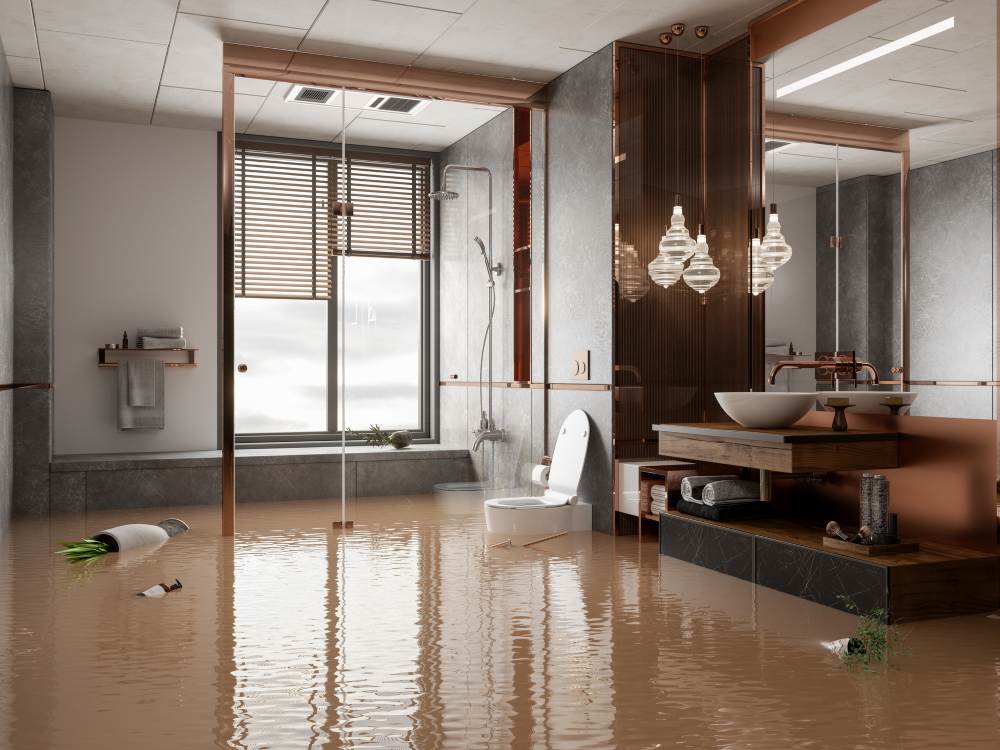
When Should You Call Emergency Restoration Services?
You should contact emergency restoration services as soon as you discover significant damage to your home. Delaying the call can compound problems. For example, according to the Environmental Protection Agency (EPA), mold can begin growing on damp surfaces within 24 to 48 hours of water exposure. You need emergency home restoration services if you experience severe weather impacts, indoor flooding, fire damage, or sewage backups. A rapid response prevents secondary issues like structural weakening or hazardous biological growth. Do not wait until standard business hours if your property is actively taking on water or is exposed to the elements.
What Are the First Steps Restoration Teams Take?
When professional restoration teams arrive at your property, their immediate priority is ensuring safety and establishing a recovery roadmap. Their process generally follows these critical steps:
- Safety Inspection: Technicians first check for immediate hazards, such as electrical risks, structural instability, or airborne contaminants, to ensure the environment is safe for entry.
- Comprehensive Assessment: Once safe, the team conducts a thorough inspection to identify the source of the damage and evaluate how far it has spread throughout the structure.
- Strategic Planning: Based on their findings, they develop a customized action plan and walk you through the specific emergency services needed to stabilize the property.
- Emergency Board-Up: To prevent further damage from the elements or unauthorized entry, they may secure the home by boarding up broken windows or covering roof damage with tarps.
How Does Water Extraction, Cleanup, And Drying Work?
If your property has suffered water damage, the most urgent priority is removing standing water to mitigate long-term structural risks and prevent mold growth. This multi-stage restoration process involves:
- Rapid Water Extraction: Technicians utilize industrial-grade pumps and powerful wet vacuums to quickly remove the bulk of the standing water from the premises.
- Debris Removal and Cleanup: The team identifies and discards unsalvageable materials, such as saturated drywall, soaked insulation, and compromised carpeting, to prepare the area for sanitation.
- Professional Drying and Monitoring: Heavy-duty air movers and commercial dehumidifiers are deployed to eliminate residual moisture from the air and building materials. Specialists use specialized equipment to monitor moisture levels daily, ensuring the structure is thoroughly dry before any reconstruction begins.
How Do You Work With Insurance During Property Damage Restoration?
Navigating insurance claims is often one of the most confusing parts of property damage restoration. Fortunately, established restoration companies regularly work with insurance adjusters and can help streamline the process for you. The restoration team will document the damage in detail through photographs, videos, and written reports. They provide accurate estimates and scopes of work directly to your insurance provider. You should immediately open a claim with your insurance agent, but you can rely on the documentation provided by the restoration professionals to support your case. This collaborative approach helps ensure you receive appropriate coverage for emergency mitigation and subsequent repairs.
What Happens After Emergency Mitigation Is Complete?
Emergency mitigation is designed to prevent further damage and stabilize your property. Once the site is dry, clean, and secure, the actual rebuilding phase can begin. This transition moves the project from emergency response to full property reconstruction. During the rebuild, contractors will replace drywall, install new flooring, apply fresh paint, and restore your home to its pre-loss condition. Trusting the same company for both mitigation and reconstruction often results in a smoother, faster recovery process. When disaster strikes, trust Kelmann Restoration for fast and reliable emergency restoration services. Our experienced team is ready to help you navigate every step of the recovery process, restoring your home to a safe, comfortable state as quickly as possible.
Frequently Asked Questions
To help you better understand what to expect during this challenging time, we have compiled a list of common questions regarding our mitigation and reconstruction processes. If you don’t see what you need, feel free to contact us today.
How Much Do Emergency Restoration Services Cost?
The cost varies widely based on the extent of the damage, the size of the affected area, and the specific services required (like water extraction versus fire cleanup). Most homeowners rely on their property insurance to cover the majority of these costs, minus their deductible.
How Long Does the Drying Process Take After Water Damage?
Typically, professional drying takes between three and five days. However, this timeline can vary depending on the materials affected, the severity of the flooding, and the home’s ambient humidity levels.
Should I Clean Up the Damage Myself Before the Professionals Arrive?
You should prioritize your safety above all else. You can try to stop the source of the damage, such as turning off the main water valve. However, avoid entering areas with standing water if there are potential electrical hazards, and do not attempt to clean hazardous materials like sewage or heavy soot yourself.