
Common Causes of Ceiling Water Damage and How to Prevent Them
How to Prevent Common Causes of Ceiling Water Damage
Ceilings often provide some of the earliest warnings of moisture problems within a property. From small leaks to larger water intrusion concerns, ceiling water damage can affect homes and facilities throughout the region. Property owners across Milwaukee and Waukesha counties trust Kelmann Restoration to help identify the source of damage and support timely restoration efforts. Addressing concerns early can help protect building materials and maintain a safe, comfortable environment.
Why Ceiling Water Damage Shouldn’t Be Ignored
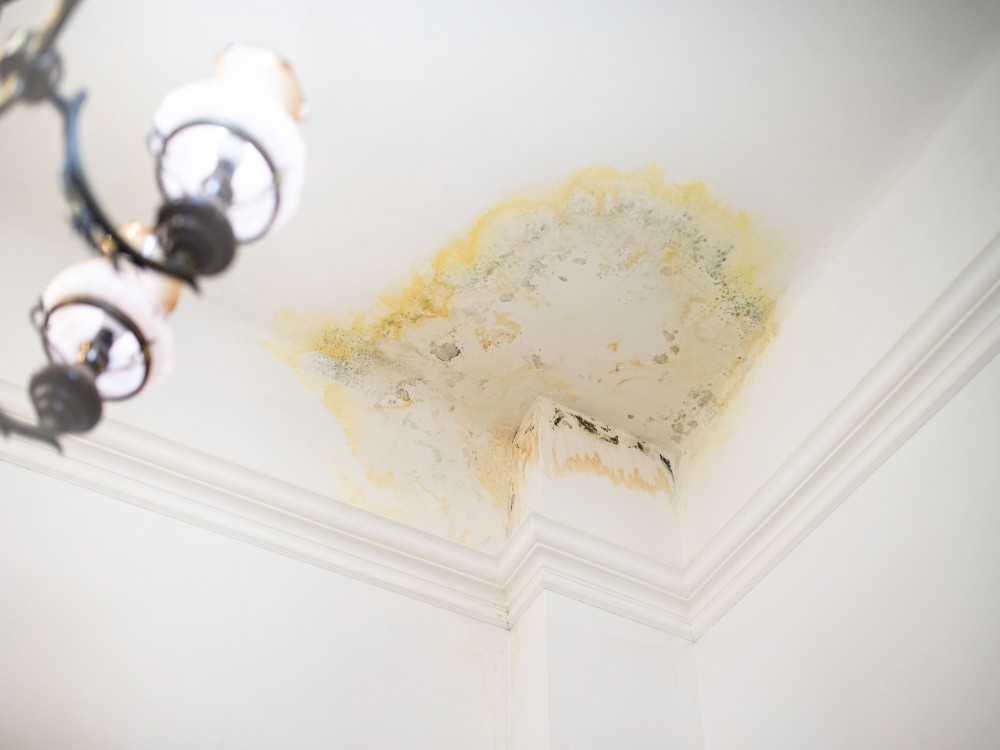
Ceiling water damage often indicates a larger moisture issue beneath the visible surface. Water can move through insulation, framing, and drywall before signs appear indoors. The reason is that moisture follows the path of least resistance. Early attention can help limit the need for repairs and support a more efficient restoration process.
What are Common Causes Of Ceiling Water Damage?
Several issues can allow water to reach ceiling materials. Identifying the source is an important step toward effective leak prevention:
- Roof Leaks – Damaged shingles, flashing, or roof components can allow water into the structure. Roof leak signs may become more noticeable after heavy rain or snowmelt.
- Plumbing Leaks – Water supply lines and drain pipes located above ceilings can develop leaks over time. Even a small drip can affect nearby materials.
- HVAC Condensation – Cooling systems can produce excess condensation when drainage problems occur. Moisture may collect and spread to surrounding surfaces.
- Appliance Failures – Water heaters, washing machines, and other appliances can release water unexpectedly. Nearby ceilings may show signs of moisture damage.
- Ice Dams – Winter weather can contribute to water intrusion along roof edges. Melted snow may work its way beneath roofing materials.
Signs Your Ceiling Has Water Damage
Ceiling problems often begin with subtle changes that become more visible over time. Watching for these indicators and other hidden signs can help you respond quickly:
- Water Stains Ceiling Areas – Brown, yellow, or dark spots may develop as moisture moves through drywall. These stains often expand gradually.
- Peeling Paint – Excess moisture can affect paint adhesion. Surfaces may begin to bubble, crack, or peel.
- Sagging Sections – Water accumulation can add weight to ceiling materials. Portions of the ceiling may appear uneven or bowed.
- Musty Odors – Lingering odors can suggest moisture trapped above finished surfaces. The smell may remain consistent from day to day.
- Visible Drips – Active leaks sometimes create dripping water or damp patches. Prompt inspection can help locate the source.
How to Prevent Ceiling Water Damage
Routine maintenance can help reduce the likelihood of home water damage. Small improvements often make a meaningful difference over time:
- Inspect Roofing Regularly – Check for damaged shingles, flashing issues, and other potential entry points for water. Seasonal inspections support early detection.
- Maintain Gutters and Downspouts – Clear drainage systems help move water away from the structure. Proper flow reduces roof-related moisture concerns.
- Monitor Plumbing Systems – Review exposed pipes and fixtures for signs of wear. Early repairs can prevent future leaks.
- Service HVAC Equipment – Regular maintenance helps cooling systems drain properly. Furthermore, it can reduce excess indoor moisture.
- Address Moisture Promptly – Small water issues deserve quick attention. Timely action supports long-term property protection.
What to Do When Your Ceiling is Wet or Sagging
Move people and valuable items away from the affected area. Water can collect above the ceiling and place added stress on building materials. Take photos for documentation purposes and monitor any changes. Because of that, arranging a professional inspection quickly can help determine the source and extent of the moisture.
When Professional Water Damage Restoration is Needed
Professional support may be appropriate when moisture extends beyond the visible area or when the source remains unclear. Restoration specialists can evaluate hidden damage, moisture levels, and affected materials. In addition, specialized equipment can help locate water behind ceilings and walls. A thorough assessment supports an effective restoration plan.
Protect Your Property From Ceiling Water Damage
Ceiling moisture concerns can develop quietly and spread through surrounding materials. Early detection supports a healthier and safer property environment. Kelmann Restoration has served Milwaukee and Waukesha County communities for more than 50 years. Contact the team today to schedule an inspection and address water damage to the ceiling before it spreads.
Frequently Asked Questions
What Causes Brown Spots On A Ceiling?
Brown spots often develop when moisture moves through drywall and ceiling materials. Common causes include roof leaks, plumbing leaks, HVAC condensation, and other forms of water intrusion. A professional inspection can help identify the source and determine the appropriate repairs.
Is a Water-Damaged Ceiling Dangerous?
A water-damaged ceiling can become unstable if moisture remains present for an extended period. Ceiling materials may weaken and begin to sag. Early evaluation helps protect the area and supports timely ceiling restoration.
How Do I Know if a Ceiling Leak is Still Active?
Active leaks often produce growing stains, damp surfaces, or visible dripping water. Moisture meters and professional inspections can help confirm whether water is still entering the area. Monitoring ceiling conditions after rainfall may also provide useful information.