
What Every Business Should Include in a Disaster Recovery Plan
What a Business Should Include in a Disaster Recovery Plan
Unexpected events can affect operations, employees, customers, and facilities with little warning. A strong business disaster recovery strategy helps organizations prepare for disruptions and recover more efficiently. Throughout Milwaukee and Waukesha counties, businesses partner with Kelmann Restoration to support preparedness efforts and strengthen response plans before an emergency occurs. Clear planning can help organizations protect people, property, and day-to-day operations.
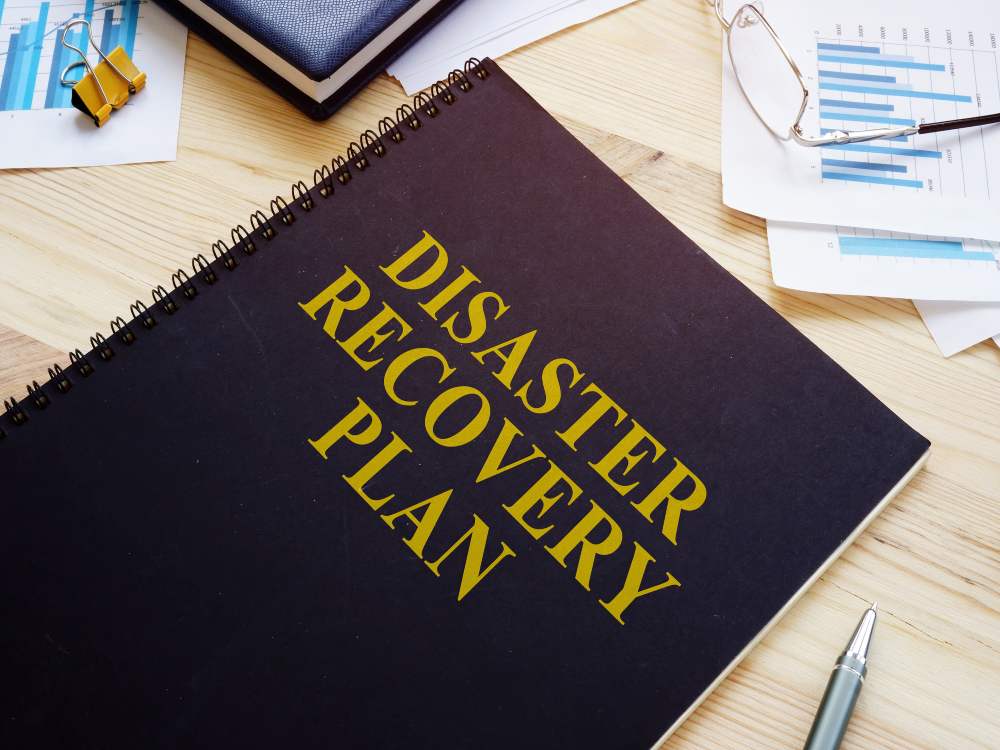
Why Every Business Needs A Disaster Recovery Plan
Disasters can interrupt daily operations and affect employees, customers, and business partners. Property damage, equipment issues, and temporary closures may impact productivity and revenue. The reason is that even a short disruption can create challenges across multiple areas of an organization. A disaster recovery plan for your business helps teams respond with greater confidence and consistency.
Identify Your Business’s Biggest Risks
Every organization faces different risks based on its location, operations, and facility type. Identifying potential hazards helps create a more effective commercial disaster plan:
- Severe Weather – Storms, high winds, and heavy rainfall can affect commercial properties. Local weather patterns should be part of emergency preparedness planning.
- Water Damage – Plumbing failures, roof leaks, and equipment malfunctions can lead to property damage. Quick identification supports faster recovery and water extraction.
- Fire Events – Even a small fire can affect operations and building systems. Planning ahead can help limit disruptions.
- Power Outages – Electrical interruptions may affect technology, communications, and security systems. Backup solutions can help maintain critical functions.
- Equipment Failures – Mechanical or operational failures can slow productivity. Evaluating vulnerabilities helps strengthen business continuity planning.
Create an Emergency Communication Plan
Clear communication helps employees and stakeholders respond quickly during an emergency. Contact lists should remain current and accessible to key personnel. Businesses should outline how updates will be shared with employees, vendors, customers, and emergency contacts. By doing this, important information can reach the right people when your business faces a crisis.
Protect Important Data, Equipment, and Documents
Important assets support daily operations and long-term business success. A disaster recovery checklist should include steps to protect both physical and digital resources, such as:
- Data Backups – Store critical information in secure locations and test backups regularly. Reliable access supports faster recovery.
- Document Storage – Keep essential records in protected digital and physical formats. Organized systems improve accessibility and make recovery easier afterward.
- Equipment Inventories – Maintain accurate records of business equipment and assets. Updated inventories simplify recovery planning.
- Cybersecurity Measures – Secure networks and sensitive information with appropriate safeguards. In addition, regular reviews can help identify vulnerabilities.
- Off-Site Resources – Store important materials in secondary locations when appropriate. This helps support operational continuity after an event.
Establish Emergency Response and Recovery Procedures
A written emergency response plan helps employees understand their responsibilities before an incident occurs. Recovery procedures should address property access, operational priorities, and communication expectations:
- Evacuation Procedures – Clearly define evacuation routes and meeting locations. Regular reviews help maintain preparedness.
- Employee Responsibilities – Assign tasks for key personnel during emergency situations. Defined roles support efficient decision-making.
- Property Assessments – Establish a process for evaluating building conditions after an event. Accurate information supports recovery efforts and documentation for insurance purposes.
- Vendor Coordination – Identify trusted contractors and service providers in advance. Quick access to resources can support business restoration.
- Recovery Priorities – Determine which systems and operations should be restored first. Prioritization helps reduce downtime.
Review and Update Your Disaster Recovery Plan Today
A disaster recovery plan should grow alongside your organization. New equipment, staffing changes, and facility updates may affect response procedures. Regular reviews help keep information accurate and actionable. Kelmann Restoration has supported Milwaukee and Waukesha County for more than 50 years. Contact our team today to strengthen your preparedness strategy and recovery planning efforts.
Frequently Asked Questions
How Often Should a Disaster Recovery Plan be Updated?
Most businesses benefit from reviewing their plans at least once each year. Updates should also follow major operational changes, facility expansions, or staffing adjustments. Regular reviews help ensure emergency contacts, procedures, and recovery priorities remain current.
What Types of Disasters Should Businesses Prepare For?
Businesses should prepare for events that could affect people, property, technology, or operations. The specific risks often depend on the facility and location:
- Severe Weather – Storms, flooding, and high winds can affect access and operations.
- Fire Incidents – Fire damage may impact structures, equipment, and business activities.
- Water Intrusion – Plumbing failures, roof leaks, and flooding can disrupt daily functions.
- Power Interruptions – Electrical outages may affect communications and critical systems.
- Technology Issues – Cybersecurity events and system failures can impact business continuity.
How Can Businesses Minimize Downtime After Property Damage?
Businesses can reduce downtime by maintaining an updated emergency response plan, protecting critical data, and establishing recovery priorities in advance. Pre-selected emergency restoration partners and clear communication procedures can also support a faster return to normal operations.