
Why Professional Structural Drying Is Critical After Water Damage
Why Professional Structural Drying Is Critical
Water can spread quickly through flooring, drywall, insulation, and structural materials after a leak or flood. Effective structural drying helps remove hidden moisture before it affects additional areas of a property. Throughout Milwaukee and Waukesha counties, property owners rely on Kelmann Restoration to support recovery efforts with professional drying solutions following water damage. Early action can help protect building materials and support a smoother restoration process.
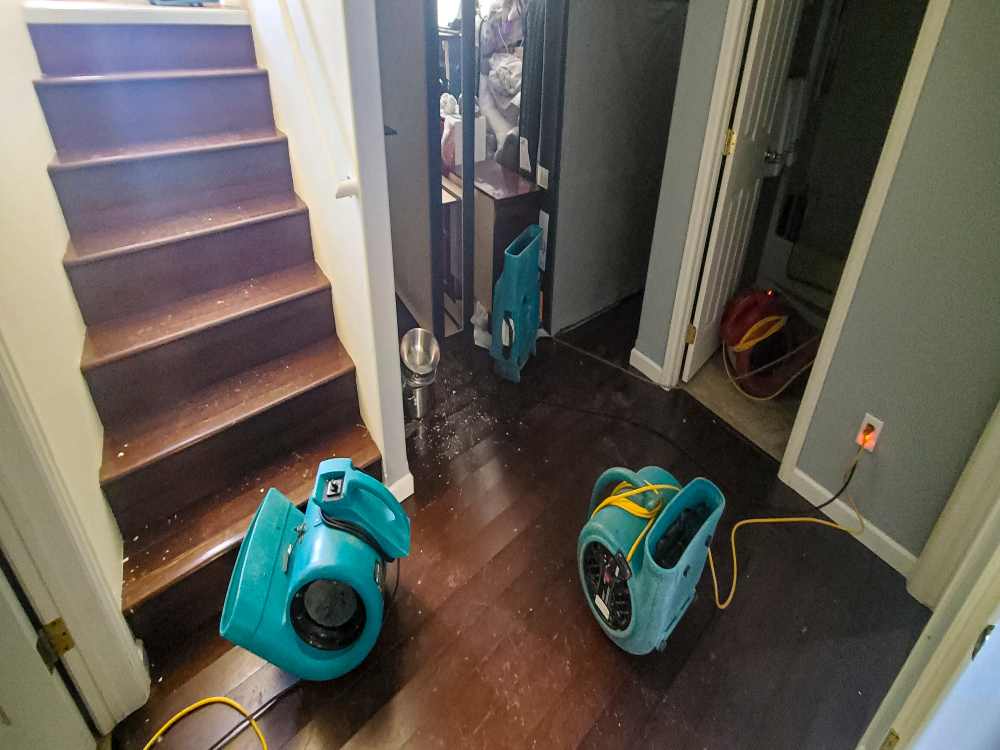
What is Structural Drying?
Structural drying is the process of removing moisture from building materials after water intrusion occurs. The goal is to return affected materials to appropriate moisture levels using specialized equipment and monitoring methods. The reason is that moisture often remains trapped beneath surfaces even after standing water has been removed. Proper drying supports long-term property protection.
What Happens When Water Remains In Building Materials?
Water can continue moving through drywall, wood, flooring, and insulation after the initial event. Over time, materials may weaken, swell, or experience changes in appearance and performance. Moisture may also spread into surrounding areas that appear unaffected. Prompt water damage drying and repair help reduce the extent of restoration work and support a more efficient recovery.
Why DIY Drying May Not Be Enough
Visible water is often only part of the problem after a loss. Hidden moisture can remain inside materials long after surfaces appear dry. DIY drying can help, but it does have its drawbacks:
- Limited Equipment – Household fans and basic dehumidifiers may not provide the drying capacity needed for larger affected areas. Moisture can remain beneath surfaces for long times if not adequately addressed.
- Hidden Moisture – Water often travels behind walls, under flooring, and into structural materials. These areas may require specialized detection tools.
- Inconsistent Drying – Some materials dry at different rates. Uneven moisture removal can complicate the restoration process.
- Lack of Monitoring – Moisture levels should be tracked throughout the drying process. Accurate measurements help confirm progress.
- Delayed Recovery – Missed moisture pockets can extend restoration timelines. Professional water removal helps create a more complete solution.
Equipment Used For Professional Structural Drying
Professional drying relies on equipment designed to address moisture throughout the property. Each tool serves a specific purpose during the structural drying process:
- Air Movers – High-velocity airflow helps accelerate evaporation from affected materials. Consistent airflow supports drying performance.
- Commercial Dehumidifiers – These systems remove moisture from the air as materials dry. Lower humidity levels support moisture removal.
- Moisture Meters – Moisture meters help technicians evaluate drying progress. Readings guide ongoing adjustments throughout the project.
- Thermal Imaging Cameras – Temperature differences may help identify hidden moisture within walls, ceilings, and floors. This supports a more complete assessment.
- Specialized Drying Systems – Certain situations require targeted drying equipment for wall cavities, flooring systems, or confined spaces.
What the Professional Drying Process Involves
A structured, experienced approach helps ensure moisture is addressed throughout the affected area. Professional drying typically includes several key steps:
- Initial Assessment – Technicians evaluate the extent of water intrusion and identify affected materials. This information guides the drying plan.
- Moisture Mapping – Moisture readings help determine where water has traveled. Hidden areas receive additional attention when necessary.
- Equipment Setup – Air movers, dehumidifiers, and other restoration drying equipment are strategically placed. Proper placement improves effectiveness.
- Ongoing Monitoring – Moisture levels are checked regularly throughout the drying period. Adjustments are made as conditions change.
- Final Verification – Materials are evaluated to confirm drying goals have been achieved. Documentation supports the restoration process.
When to Call a Water Damage Restoration Professional
Professional assistance is often beneficial after flooding, significant leaks, or widespread moisture exposure. Hidden moisture can remain present even when surfaces appear dry. In addition, larger properties may require specialized drying equipment and ongoing monitoring. Contact Kelmann Restoration today to schedule an assessment and begin the drying process before moisture spreads further.
Frequently Asked Questions
How Long Does Structural Drying Take?
The timeline depends on the extent of the water intrusion, affected materials, and environmental conditions. Many projects require several days of active drying, while larger losses may take longer to dry. Regular moisture monitoring helps determine when drying goals have been achieved.
Why Are Moisture Meters Used During Restoration?
Moisture meters provide accurate readings of moisture levels within building materials. These measurements help restoration professionals track progress and identify hidden moisture. Reliable data supports informed decisions throughout the drying process and helps confirm when materials have reached appropriate moisture levels.
Can Wet Drywall Be Dried Instead Of Replaced?
In some situations, wet drywall can be successfully dried if moisture exposure is limited and addressed quickly. The extent of water intrusion, material condition, and moisture levels all influence the decision. A professional assessment can help determine the most appropriate course of action.